Hawzu vs Xray the open Xray alternative — no Jira required
Xray has the deepest automation story in the Jira ecosystem — and it bills every Jira user to get it. Hawzu is standalone, billed per tester, with native defects, analytics and AI, free for five people, $20 per member after.
Native QA, not a Jira plugin.
Why teams move off Xray
Xray is the strongest automation story in the Jira ecosystem. The trade is that everything it knows is shaped like a Jira issue, and everyone in Jira is on the bill.
Xray's automation depth is real and worth naming first. It ingests JUnit, NUnit, TestNG, Robot and Cucumber results, it generates and round-trips .feature files so BDD scenarios live next to the code that runs them, and its CI integrations are mature. If your testing is mostly automated and mostly BDD, Xray does things Hawzu does not.
The cost of that is structural rather than a missing feature. Because a test is a Jira issue, everything about it inherits Jira's issue model — screens, workflows, permissions, custom field limits. That's a genuine advantage while your process fits Jira's shape, and a persistent tax when it doesn't. Step-level results, shared steps, parameters and suite structure all have to be modelled on top of something that wasn't designed for them.
Then there's the bill. Marketplace apps price on your Jira user tier, not your tester count. A 200-person engineering org with 12 testers pays for 200. The people who never open a test case are the majority of the invoice, and there's no tier of Jira where that stops being true.
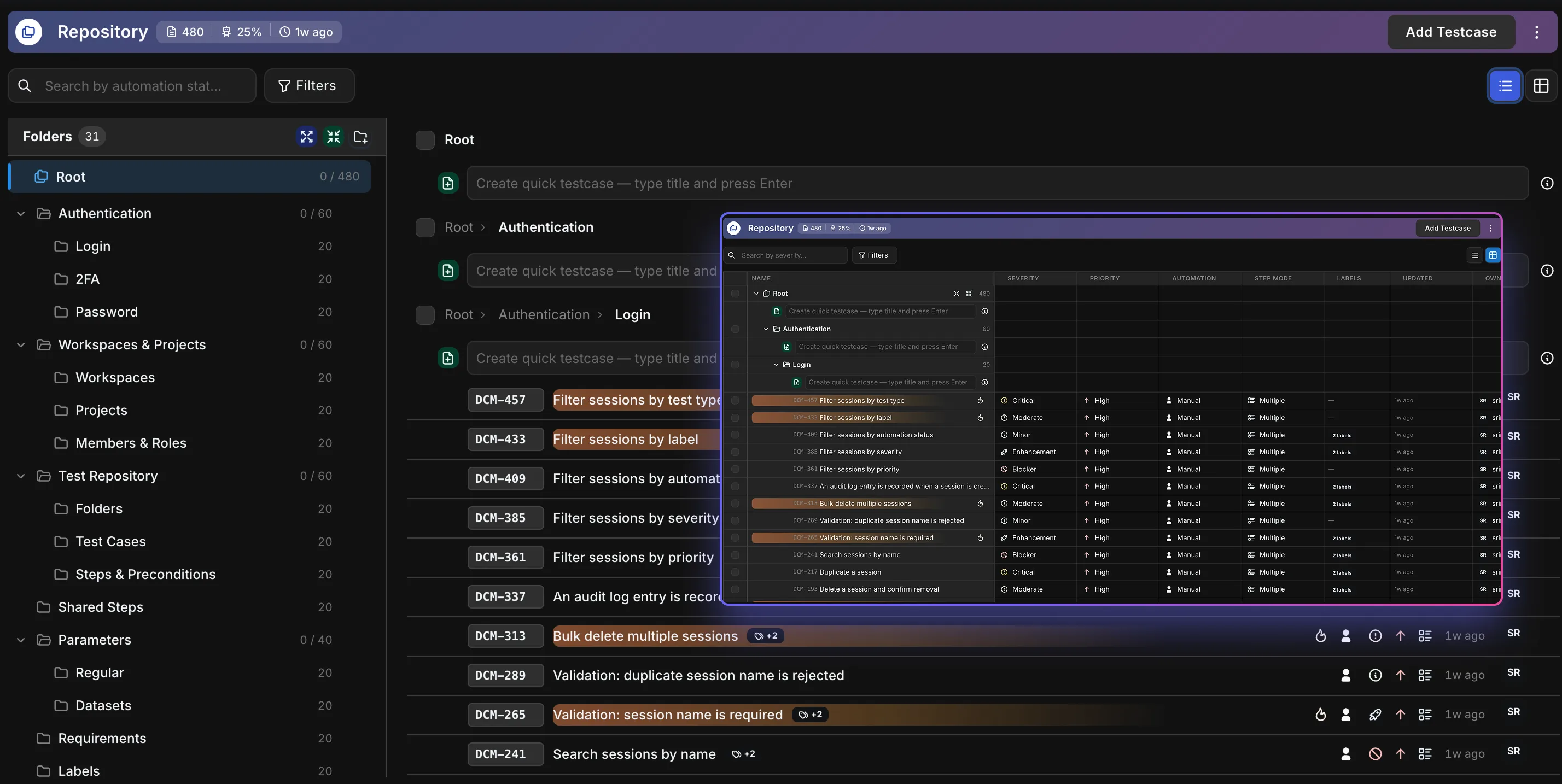
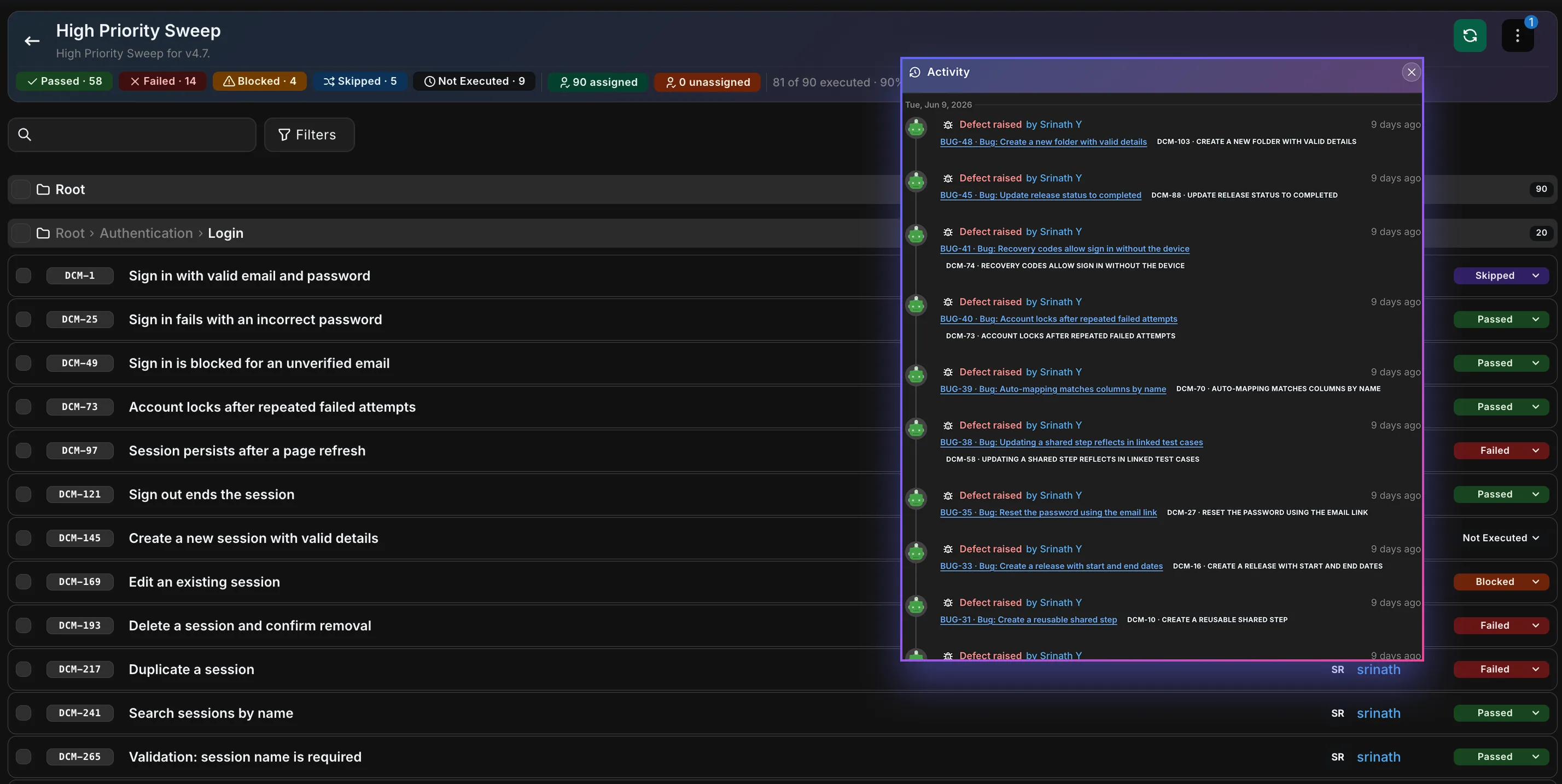
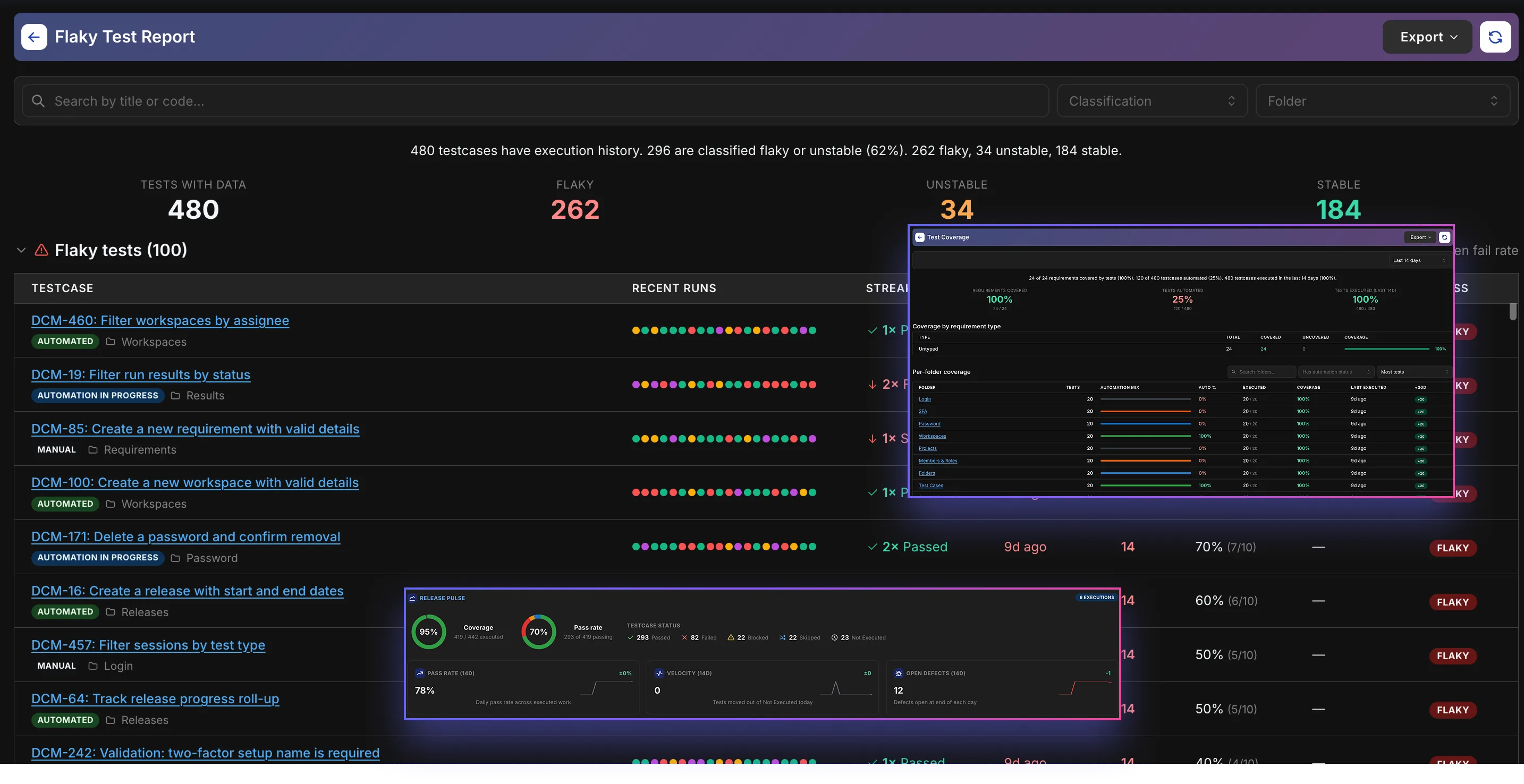
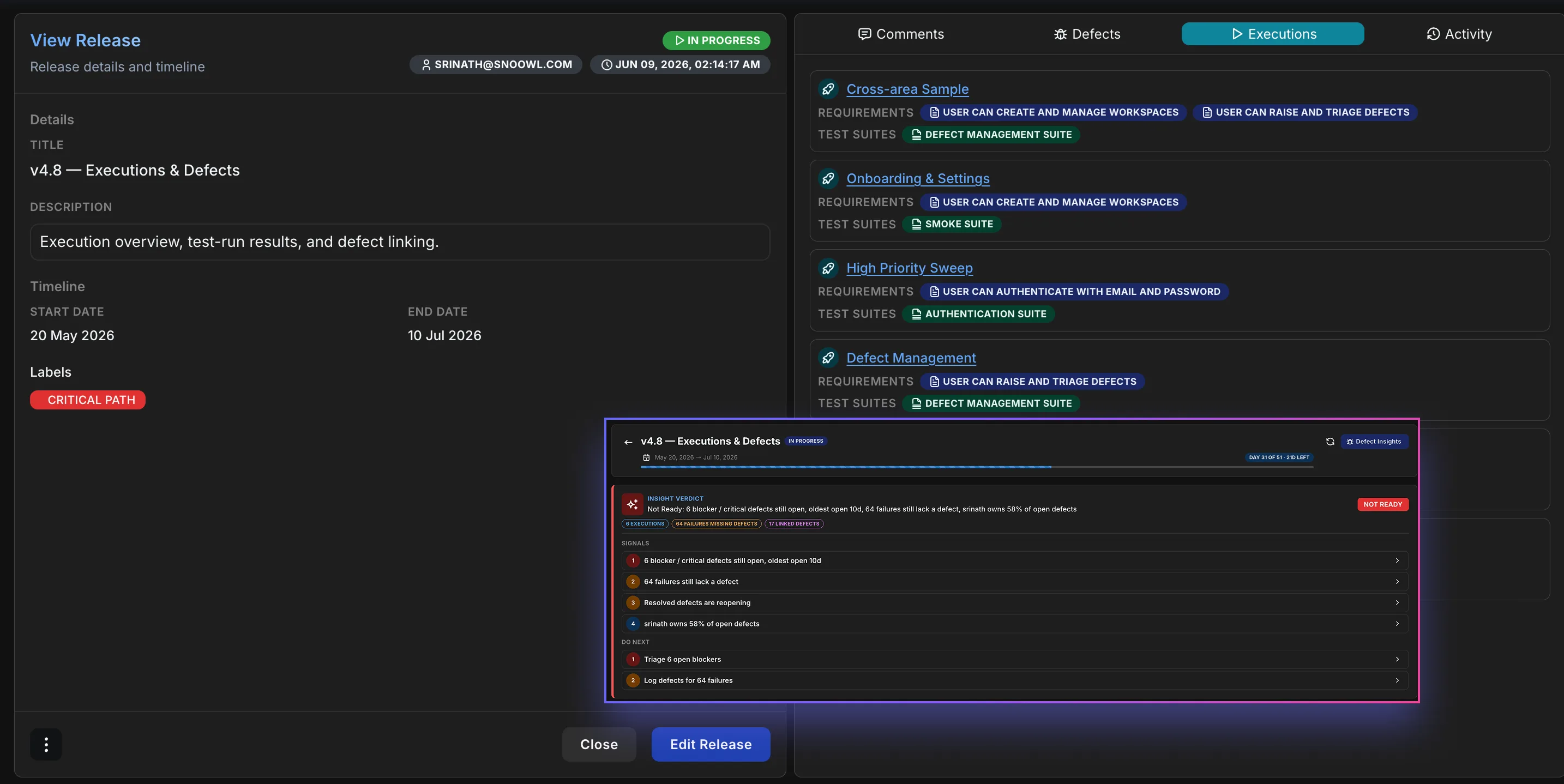
Hawzu is a standalone system of record that treats a test case as its own object, with its own fields and versioning, and bills for the people who actually use it. Requirements, defects, executions and releases sit in the same model, so a release gets a scored go/no-go instead of a Jira dashboard someone has to interpret. Connect Jira if you want the link — it's an integration, not a dependency.
See Hawzu in action
Anyone can claim they beat Xray. Here's exactly what we built.
Hawzu vs Xray, at a glance
Comparison reflects publicly available information and is kept as fair as we can make it. Pricing checked 20 Jul 2026 against Xray's own published pricing. Details may change — check their site for the latest. Last updated 4 Oct 2026.
Why teams pick Hawzu
Standalone — no Jira required. Run Hawzu on its own, or connect any tracker (Jira, GitHub, GitLab, Azure DevOps, Linear) when you want.
Pay for testers, not your whole Jira instance — Xray bills every Jira user, even non-testers.
Test cases are first-class objects with step-level results, shared steps and parameters — not issues bent to fit a schema built for tickets.
AI test case generation, plus similar-bug search over your defects.
No Jira tax, full feature access — free for five people, $20 per member after.
An agent needs no seat of its own here. Hawzu answers MCP against a scoped token, returning records read-only, bounded per answer, and confined to the one workspace that token names.
When Xray might still make sense
Automation breadth is Xray's strongest suit — JUnit, NUnit, TestNG, Robot and Cucumber results all import natively. Hawzu takes JUnit/xUnit in one call and everything else through the API.
BDD is genuinely first-class: Xray generates and syncs Gherkin feature files with your repo, so scenarios live beside the code. Hawzu stores Gherkin on a test case but doesn't round-trip feature files.
Because tests are Jira issues, JQL, automation rules, permissions and dashboards apply to your test data with no extra work.
Jira Data Center support if your test data has to stay inside your own perimeter. Hawzu is cloud-only today.
Common questions
Can we drop Jira entirely, or does Hawzu still need it?
You can drop it. Hawzu has its own requirements and defect tracking, so nothing about it assumes a tracker exists. Most teams moving off Xray keep Jira for engineering work and connect it, which means testers stop needing Jira licences while developers carry on as before.
We run Cucumber. What do we lose moving off Xray?
The feature-file round trip, and we'd rather say so plainly. Xray generates .feature files from its test issues and syncs them back from your repo, so Gherkin lives beside the code. Hawzu stores Gherkin as a field on a test case and takes the results in via the API — good enough if your scenarios are authored in the repo and Hawzu is the reporting side, not good enough if you author scenarios in the tool.
How is Hawzu's pricing different from Xray's?
Xray is billed on your Jira user tier, so a 200-person Jira instance with 12 testers is charged for 200 people. Hawzu is billed per Hawzu user — the people who actually open it — and it's $20 per member per month billed yearly, with every feature on every plan.
How do I move my Xray tests into Hawzu?
Export your test issues from Jira to CSV, then run them through Hawzu's import wizard: map Xray's columns onto Hawzu fields, preview a sample, and import. Images and file links in your descriptions are re-hosted into Hawzu rather than left pointing at Jira attachments. If the export is awkward, send it to contact@snoowl.com and we'll map it for you.
Can Hawzu ingest our CI results?
Yes — post a JUnit or xUnit XML report to a single endpoint and Hawzu matches results back to your test cases by code or title, or push individual results through the REST API with a scoped token. Formats beyond JUnit/xUnit go through the API rather than a native parser today.
What happens to our JQL queries and Jira automation?
They don't come across, and that's the honest trade for tests not being Jira issues. What you get instead is a query surface built for testing — filter-based dynamic suites that re-populate themselves as the repository changes, and Observatory for the reporting side. If your team has invested heavily in JQL over test data, weigh that seriously.
Try Hawzu free
Every feature on every plan. Free for five people, $20 per member after — no credit card.