Hawzu vs Panaya Test Dynamix a general-purpose Panaya alternative
Panaya Test Dynamix is built around change impact analysis for ERP — and at that, it does something Hawzu simply doesn't. Hawzu is general-purpose test management for the rest of your estate: requirements, defects, dedicated releases and analytics, free for five people, $20 per member after.
Test management for teams, not just ERP.
Where Panaya fits, and where it doesn't
Panaya answers a question Hawzu doesn't even attempt: what will this SAP transport break? If that's your problem, this comparison should end here.
Panaya Test Dynamix is built around change impact analysis. It reads your ERP landscape — SAP, Oracle, Salesforce, Workday — works out what a change touches, and narrows a regression cycle from everything to the subset that actually matters. That's domain knowledge encoded into the product, and a general-purpose test manager cannot infer it. Hawzu has no equivalent and isn't building one.
The question worth asking is what happens to the rest of your estate. Most organisations running SAP also run a customer portal, a mobile app, a handful of internal services and an integration layer. That work is requirement-driven and release-driven rather than change-driven, and a tool organised around ERP impact analysis is the wrong shape for it — the objects don't match, and neither does the pricing conversation.
That's the split teams usually land on: Panaya stays for ERP change cycles, and something general-purpose picks up everything else. The failure mode is letting "everything else" default to spreadsheets, which is how test evidence for half the estate ends up outside any system of record.
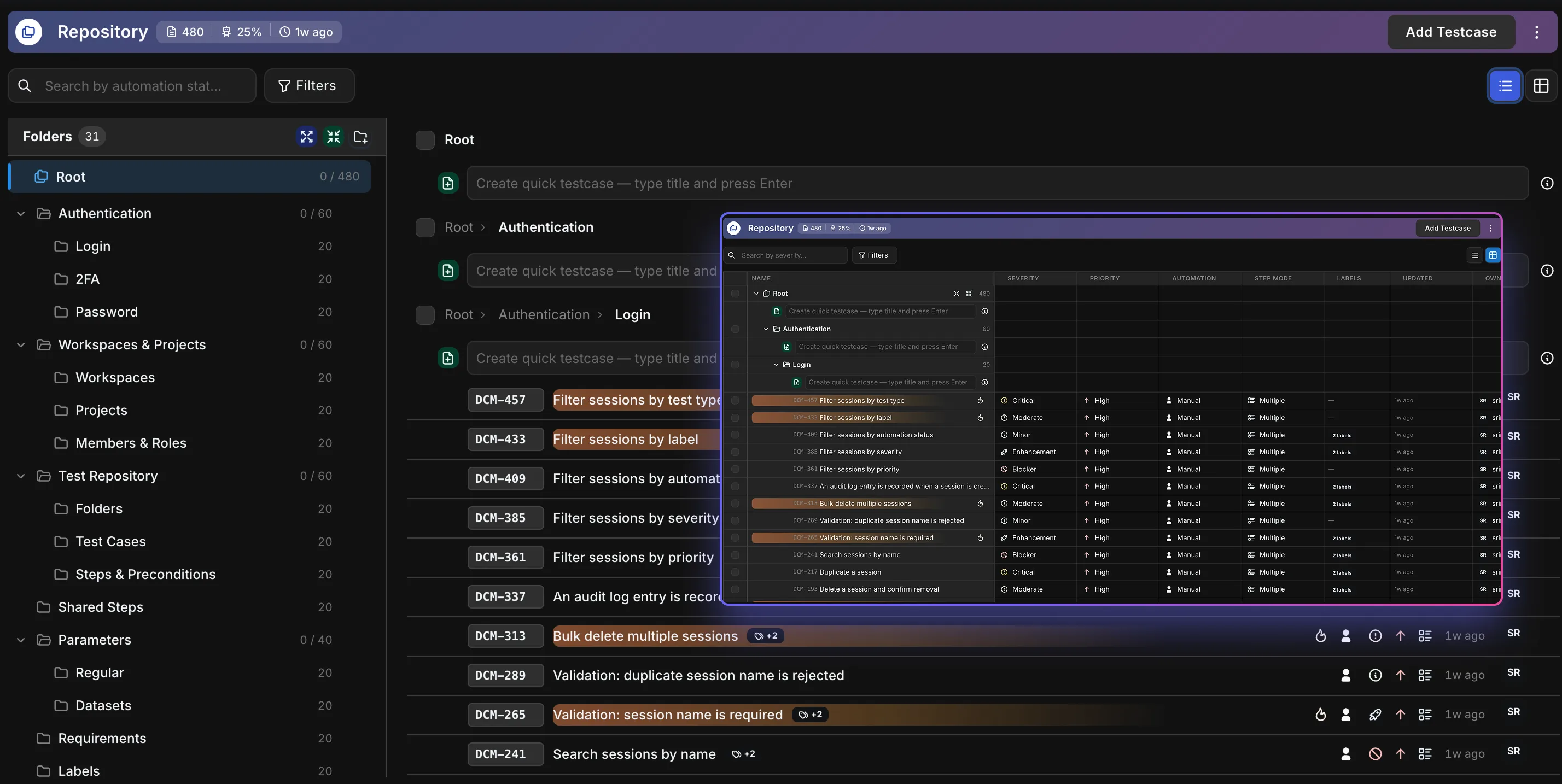
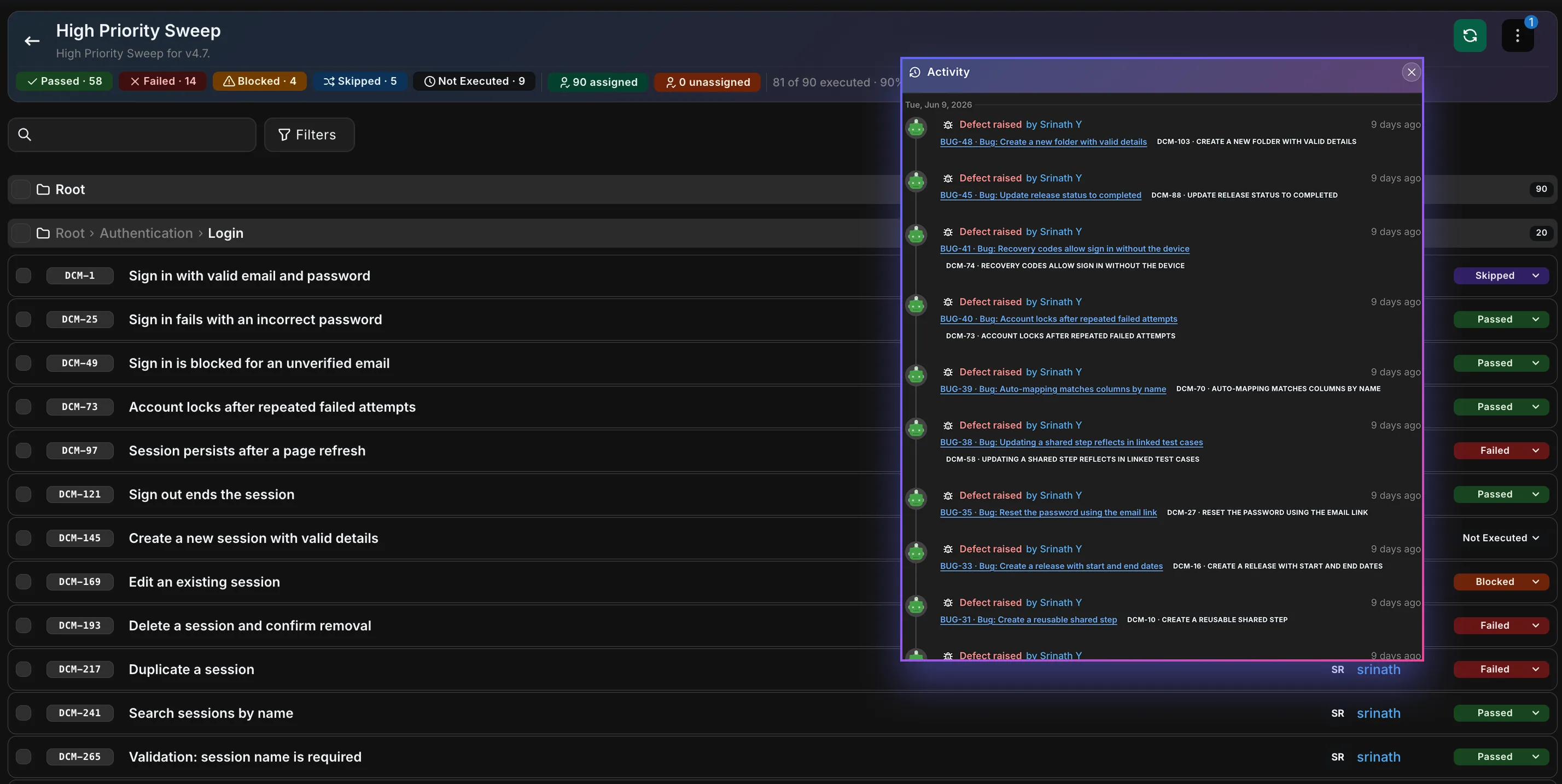
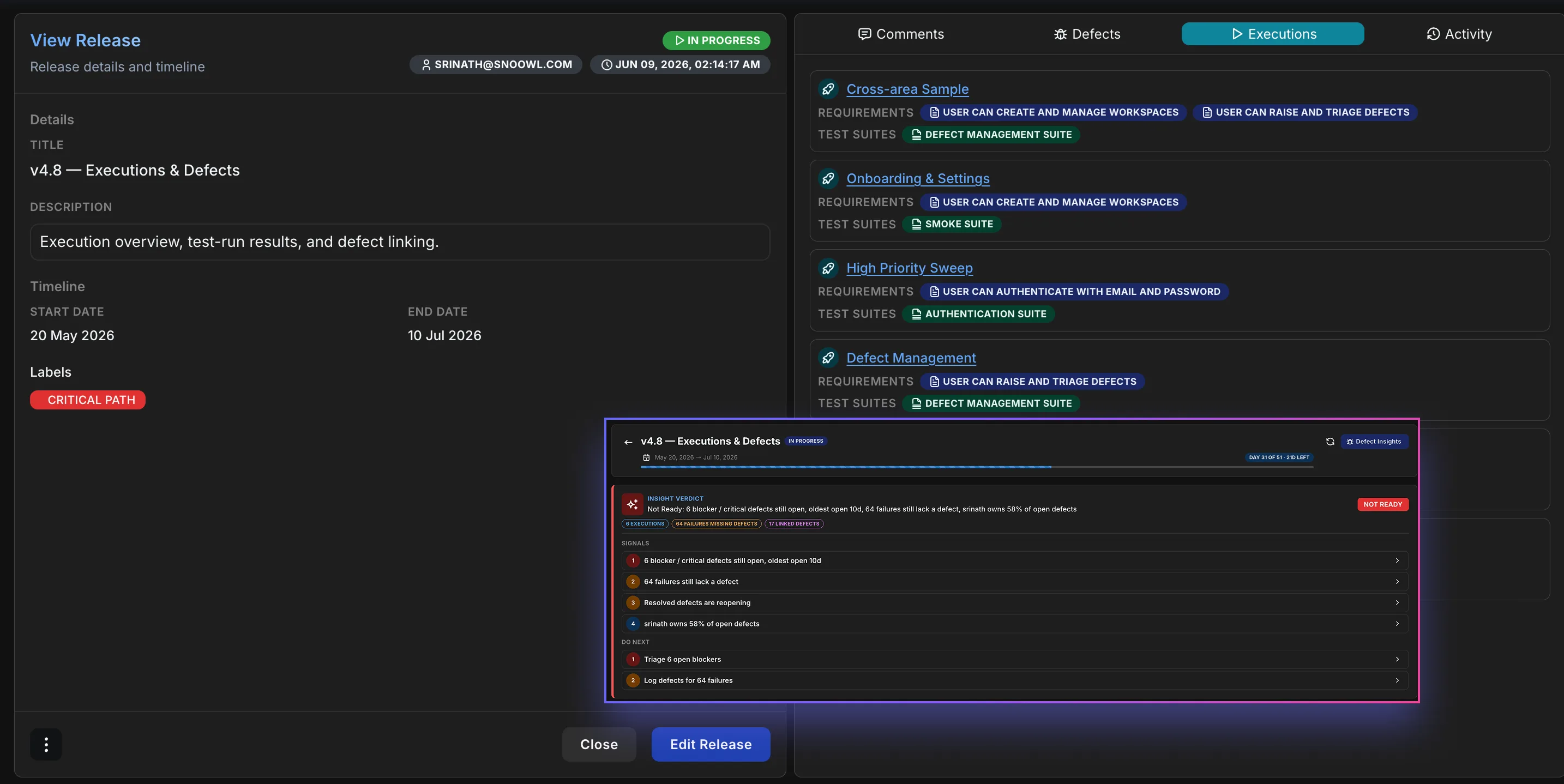
Hawzu is built for that half. Native requirements with hierarchy and coverage roll-up, a defect lifecycle tied to the failing step, executions gated to a release, and a scored go/no-go with a frozen sign-off snapshot. Published pricing, self-serve signup, no implementation project. What it isn't is a Panaya replacement for SAP change analysis — that's a different product for a different question.
See Hawzu in action
Anyone can claim they beat Panaya Test Dynamix. Here's exactly what we built.
Hawzu vs Panaya Test Dynamix, at a glance
Comparison reflects publicly available information and is kept as fair as we can make it. Pricing checked 1 Aug 2026 against Panaya Test Dynamix's own published pricing. Details may change — check their site for the latest. Last updated 13 Sep 2026.
Why teams pick Hawzu
Built for whatever you're shipping — web, mobile, API, internal tooling — not scoped to ERP and packaged applications.
Transparent and self-serve: sign up and start, rather than a quote and a guided implementation.
Native requirements with hierarchy and coverage roll-up, so traceability starts from what you promised to build.
Dedicated release management with release-gated executions, a scored go/no-go, and a frozen sign-off snapshot.
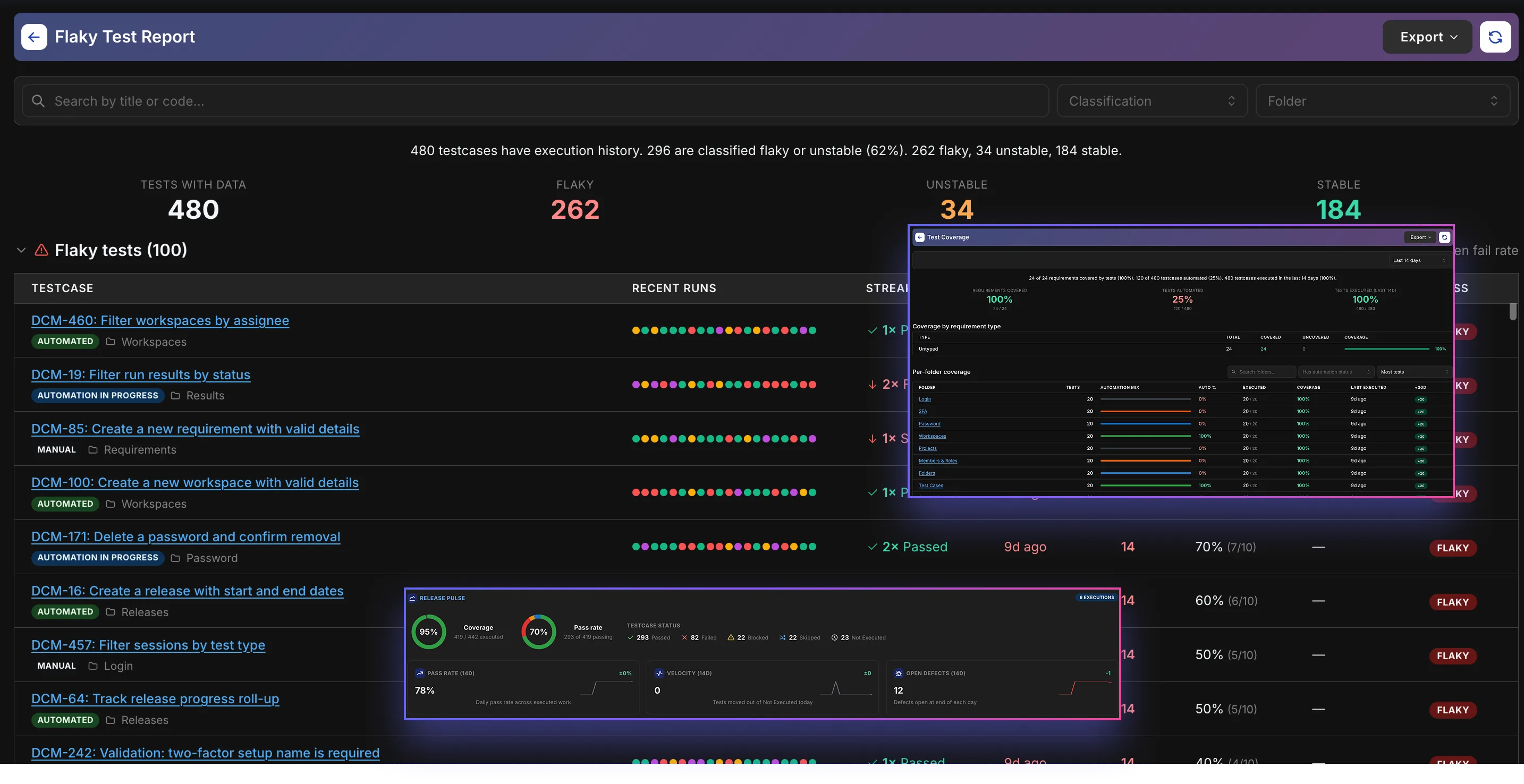
Observatory analytics for QA questions — flaky-test detection, defect aging and MTTR, requirement coverage, project health score.
Whatever you are shipping, an agent can ask about it. Hawzu answers the Model Context Protocol, handing records to a client you already run — and handing back nothing it can write.
When Panaya Test Dynamix might still make sense
If you're testing SAP, Oracle or Salesforce change impact, Panaya's change impact analysis tells you what a transport or update will actually break, and which tests to run. Hawzu does not do this at all, and nothing in our roadmap replaces it.
Deep ERP domain knowledge — Panaya understands the objects and dependencies inside those systems, which a general-purpose test manager cannot infer.
Codeless test automation aimed squarely at ERP business processes and the business users who run them.
Large enterprise upgrade and migration programmes, where cutting regression scope is worth far more than the licence.
Common questions
We test SAP — can Hawzu replace Panaya?
Honestly, no — not if change impact analysis is why you bought it. Panaya reads your SAP landscape to work out what a change will affect and which tests matter; Hawzu has no equivalent and isn't building one. Hawzu is the better fit if you also test applications outside your ERP and want one QA system of record for those.
So when would a Panaya customer look at Hawzu?
When the ERP-shaped tool doesn't fit the rest of your estate. Teams often run Panaya for SAP change cycles and need something general-purpose for their web, mobile and API testing — with requirements, defects, releases and analytics in one place, and no per-programme quote. Running both is a normal answer.
What does Panaya Test Dynamix cost?
Panaya doesn't publish pricing — it's a quoted subscription, typically scaled by users, test volume and which capabilities you take. Hawzu's pricing is public: a free plan for five, $20 per member per month billed yearly above that, and every feature on both.
How do I get our existing test cases into Hawzu?
Export them to Excel or CSV and run them through Hawzu's import wizard — map your columns onto Hawzu fields, preview a sample, and import folder structure along with the cases. Embedded images and file links are re-hosted into Hawzu automatically. If the export is awkward, send it to contact@snoowl.com and we'll map it for you.
Does Hawzu do codeless automation for business users?
No. Hawzu is automation-agnostic — it manages and analyses testing, and takes results in from whatever framework you run via JUnit/xUnit upload or the REST API. If codeless authoring for non-technical ERP testers is a requirement, that's another point for Panaya.
Can Hawzu handle business users running manual acceptance tests?
Yes, for ordinary UAT — assign executions, record per-step results, attach evidence, and raise defects tied to the failing step. What it won't do is tell those users which processes a change put at risk; that's the analysis layer Panaya provides and Hawzu doesn't.
Try Hawzu free
Every feature on every plan. Free for five people, $20 per member after — no credit card.